Limewash walls
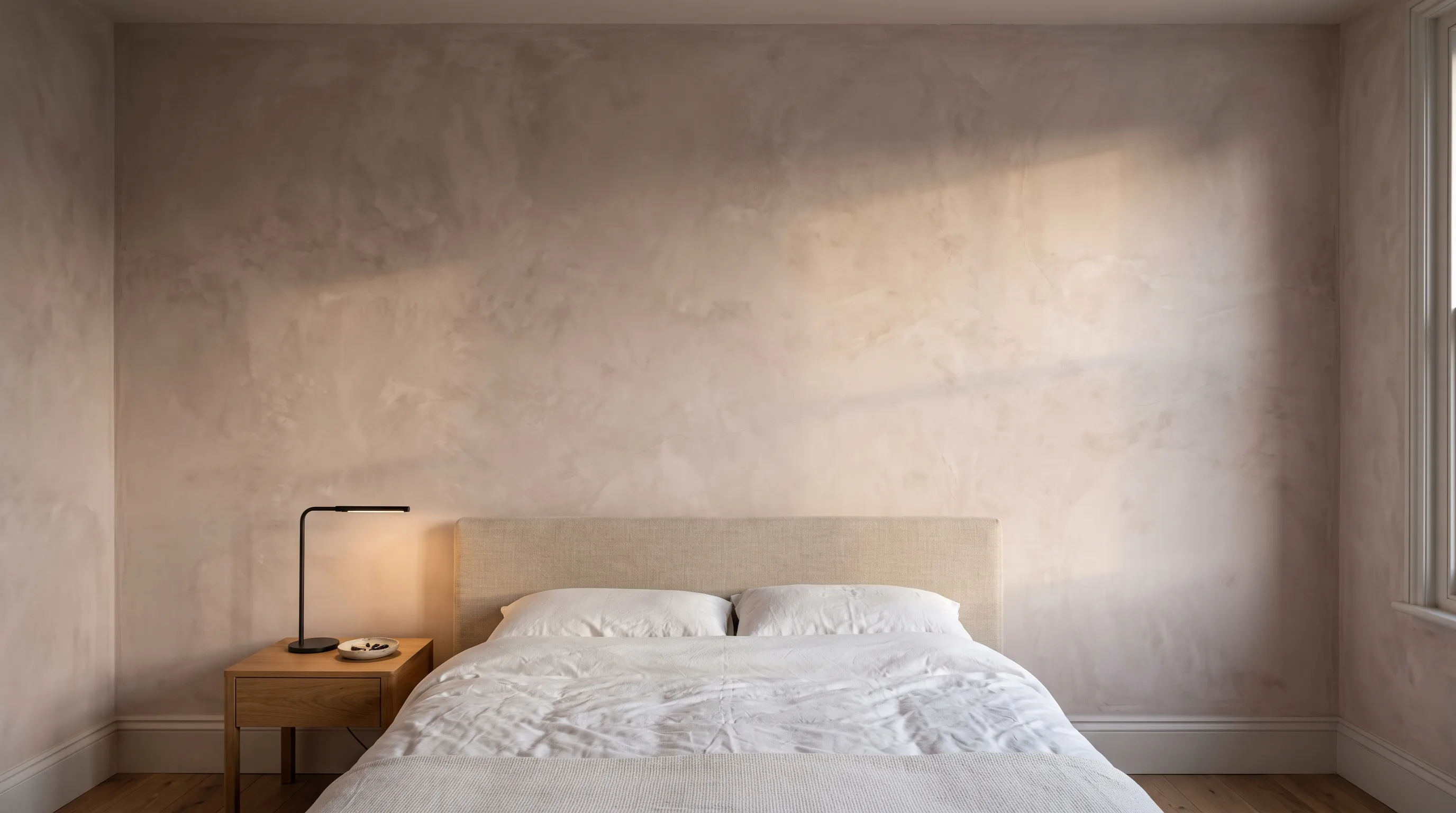
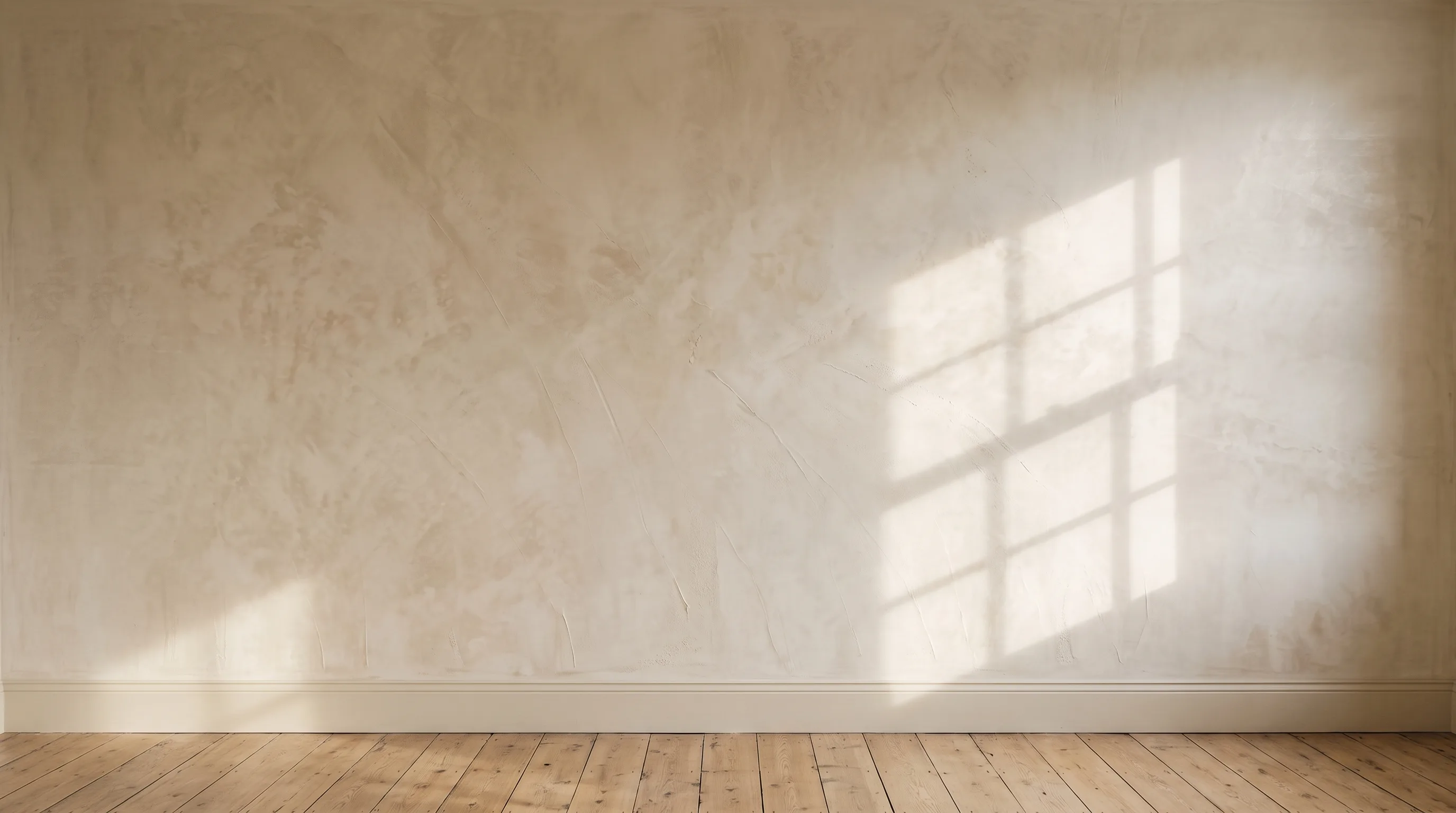
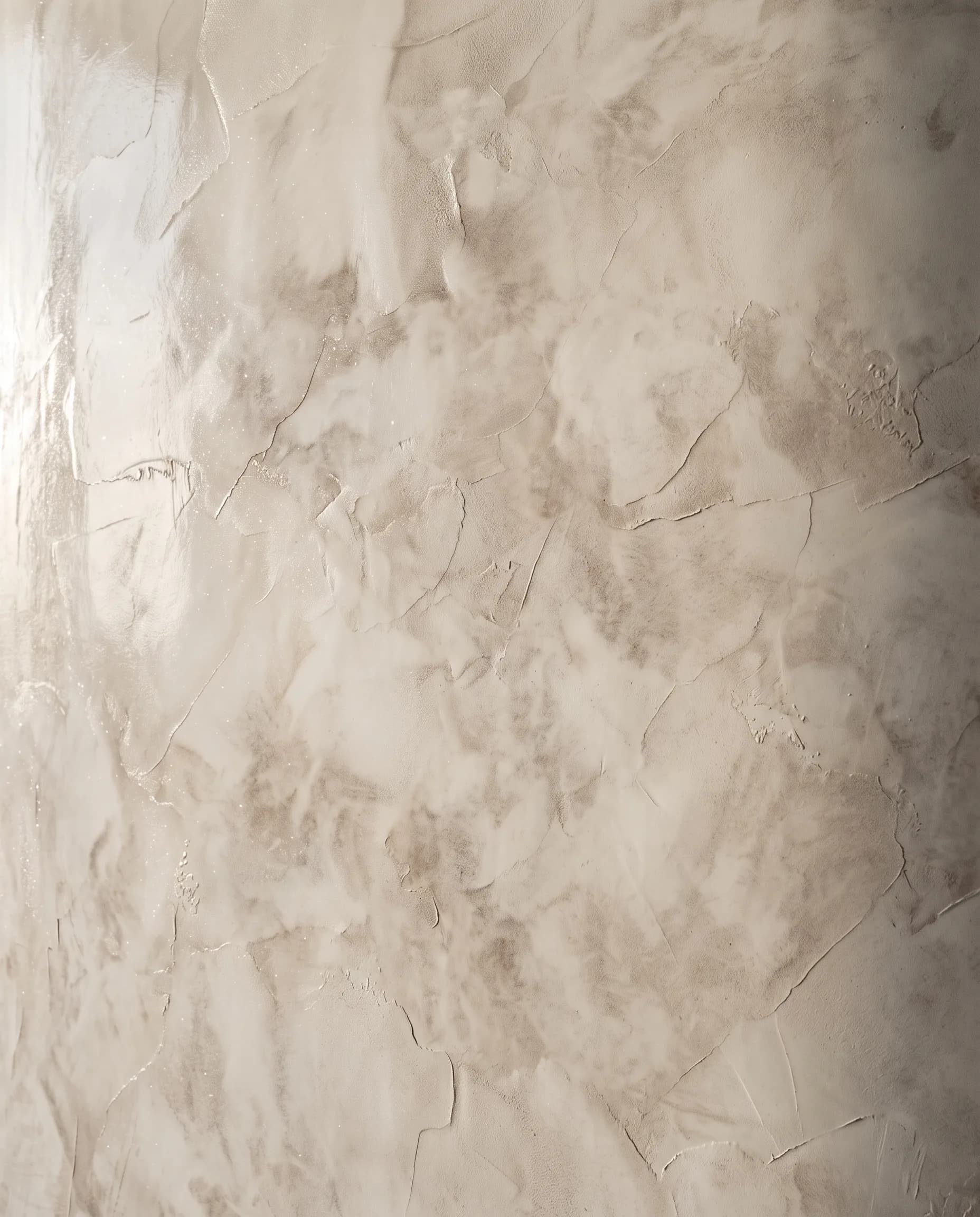
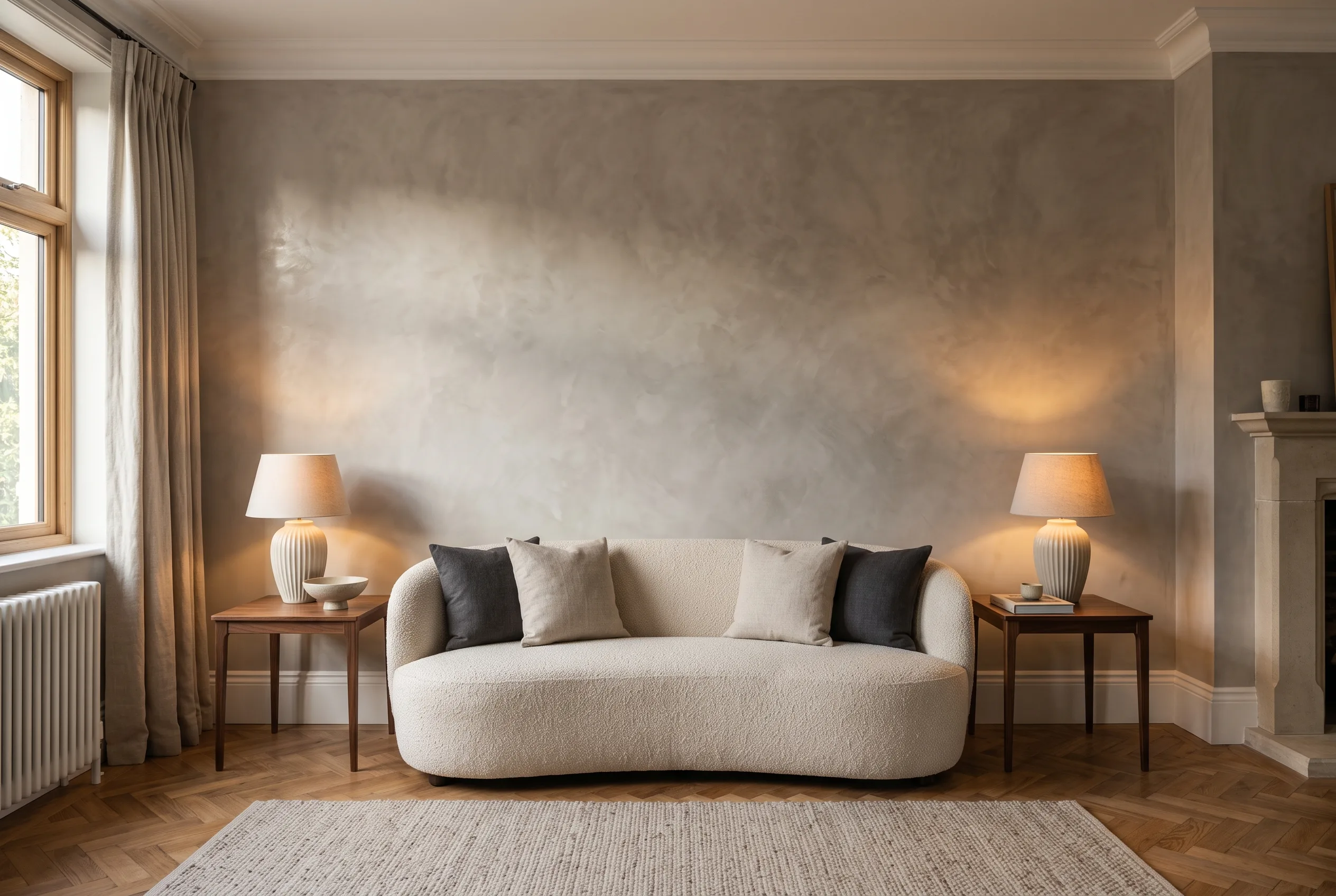
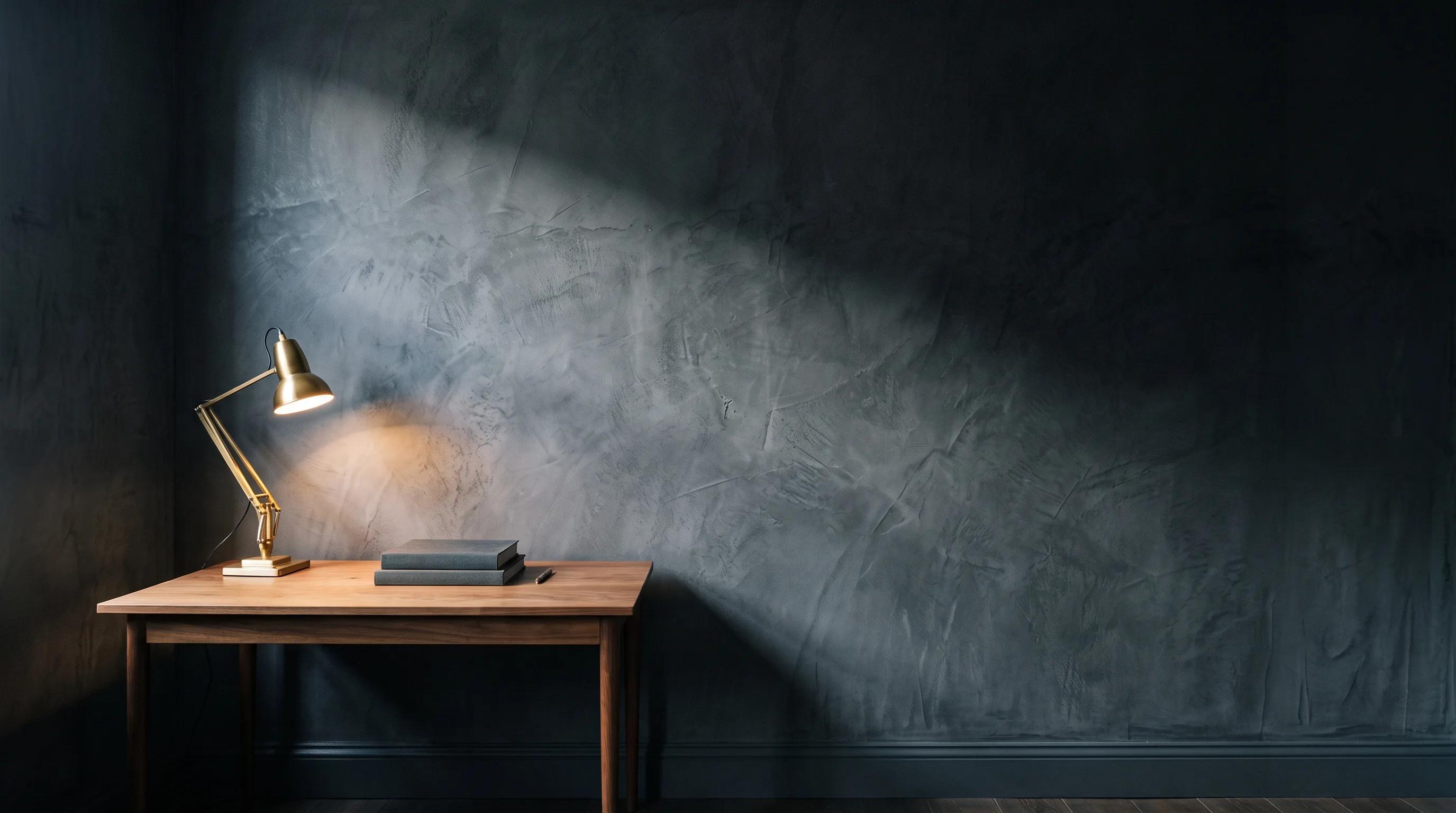
Limewash walls have a soft, cloudy, chalky finish that shifts in colour across the wall, and on an old solid wall they let it breathe as well.
We apply limewash in homes across Chesterfield and north Derbyshire, especially on large walls, stairwells and older houses where the preparation matters.
True limewash and limewash-style paint
True limewash is lime, water and pigment, brushed on in several thin coats. It soaks into a mineral surface such as lime plaster or stone, dries to a matt, chalky finish, and lets moisture pass through the wall.
Many products sold as limewash paint are mineral or acrylic paints designed to give a similar look on modern walls. They are easier to live with in some rooms, but they do not behave like lime. Which one suits your wall depends on what the wall is made of and what is on it now.
When it is worth having it applied
Plenty of people limewash a small wall themselves. It is worth having it applied when the wall is large or tall, when an even, deliberate cloudiness matters across a whole room, or when an old wall needs lime repairs before anything goes on it.
Limewash also will not bond properly over most modern emulsions without the right preparation. Getting that wrong is the most common reason a limewashed wall flakes.
Older and stone-built houses
Many older houses have solid stone or brick walls, with lime plaster rather than gypsum. Walls like these need to let moisture out, and sealing them with modern paint can trap it. On a wall like that, true limewash is often the sympathetic choice. It is assessed wall by wall, not assumed.
Living with limewash
True limewash is soft. It can leave a little chalk on a hand or a sleeve, and it marks more easily than a sealed finish, but it is also easy to touch up with another coat. In a hallway or a child's room, a limewash-style paint or a sealed Marmorino may be more practical.
Common questions
Can limewash go over painted walls?
Not directly over most modern emulsions. The wall needs the right preparation, or a limewash-style paint designed for painted surfaces is used instead. Which is right is decided once the wall has been seen.
Does limewash rub off?
True limewash can leave a little chalk on your hand, especially in the first weeks. Limewash-style paints do not.
Start with a conversation about your space
Tell us about the room, the surface and the look you are after. Rough measurements are enough to begin, and we will talk you through suitable finishes and the next steps.