Venetian plaster across Derbyshire
We apply Venetian plaster across Derbyshire, from Chesterfield and Dronfield out to Matlock, Bakewell and the Hope Valley.
North Derbyshire has more than its share of stone-built and period houses, and the finish has to suit the building as well as the room.
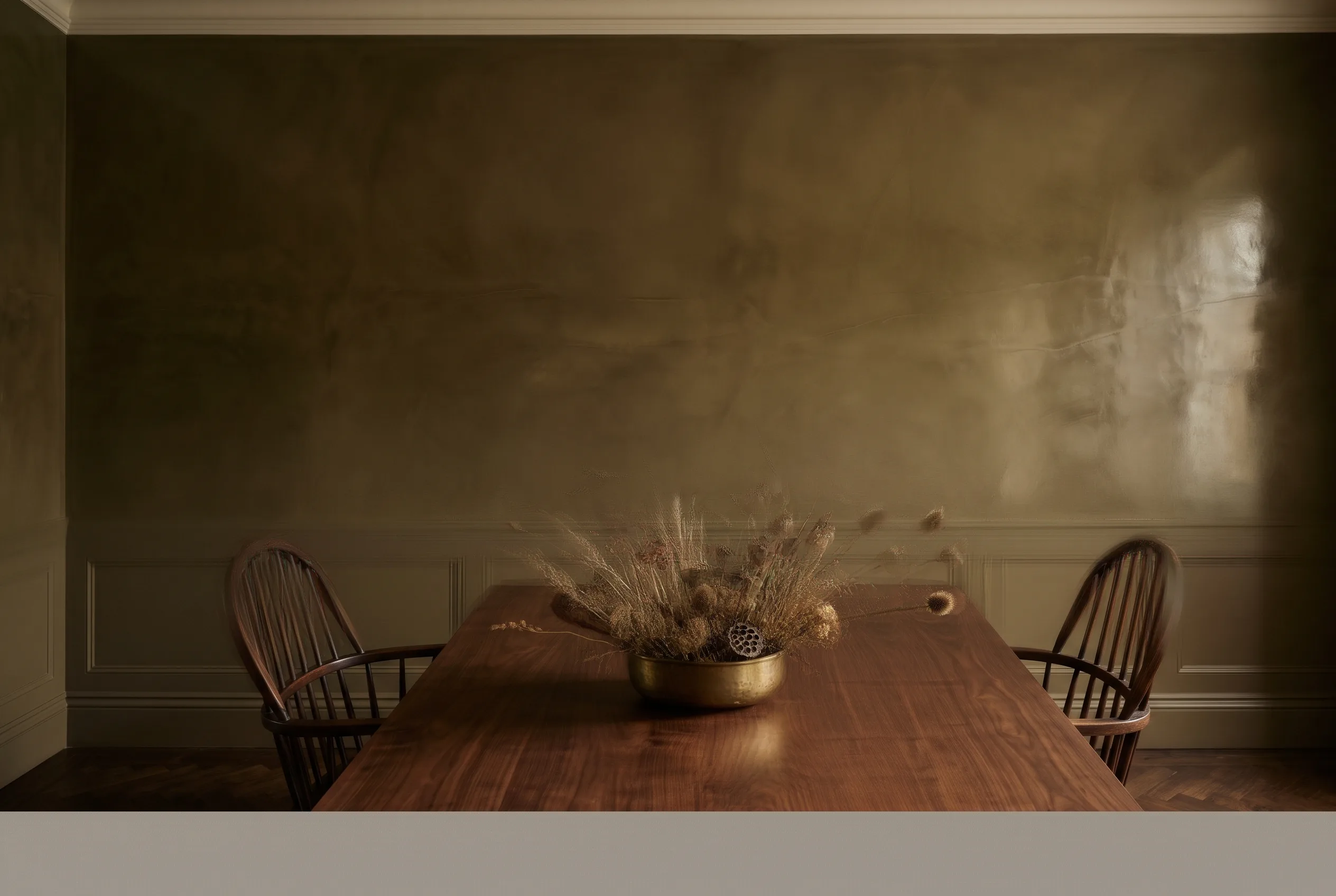
Chesterfield
Chesterfield is where most of our work starts. Alongside newer estates, the town's conservation areas, including Chatsworth Road and Somersall, hold many of its older houses, where the walls and the plaster are often original. Those rooms tend to suit a softer finish, such as Marmorino or limewash, as well as polished Venetian plaster.
Dronfield
Dronfield sits on the A61 between Chesterfield and Sheffield. Its older core, built largely of local sandstone, is protected by conservation areas, and newer housing surrounds it. The two need different thinking: new plasterboard walls need their joints right before a polished finish, and old stone walls need a finish that lets them breathe.
Matlock
Matlock is Derbyshire's county town, and grew as a spa town. The hydros and villas on the hillside of Matlock Bank, including Smedley's former hydro, now County Hall, gave it a stock of large Victorian rooms with high ceilings and tall walls. Rooms like that suit a full-height finish, and the access and preparation are planned from the start.
Bakewell and the Peak villages
Bakewell is the only town inside the Peak District National Park, built largely of local gritstone and limestone, with many listed buildings. Around it, villages such as Baslow sit on the edge of the Chatsworth estate. Many homes and inns here are old, stone-built, and often listed.
If a building is listed, internal works that affect its character can need listed building consent, and the National Park Authority is the planning authority inside the park. Check with them before changing wall finishes in a listed building. We can talk through what is proposed so you can ask the right question.
Hathersage and the Hope Valley
Hathersage and the Hope Valley villages, among them Bamford, Castleton and Eyam, are built from locally sourced gritstone. Stone cottages and converted barns here often have solid walls, and the same care applies: a finish that suits the wall, and walls that are sound before anything decorative goes on.
Stone walls and lime finishes
Solid stone and brick walls without a cavity need to let moisture out. Modern paints and gypsum plasters can trap it, which is why lime finishes are often the sympathetic choice in older buildings. Marmorino, limewash and tadelakt are all lime-based.
That is general guidance, not a rule for every old house. Each wall is looked at on its own merits, because some have been replastered or lined since they were built.
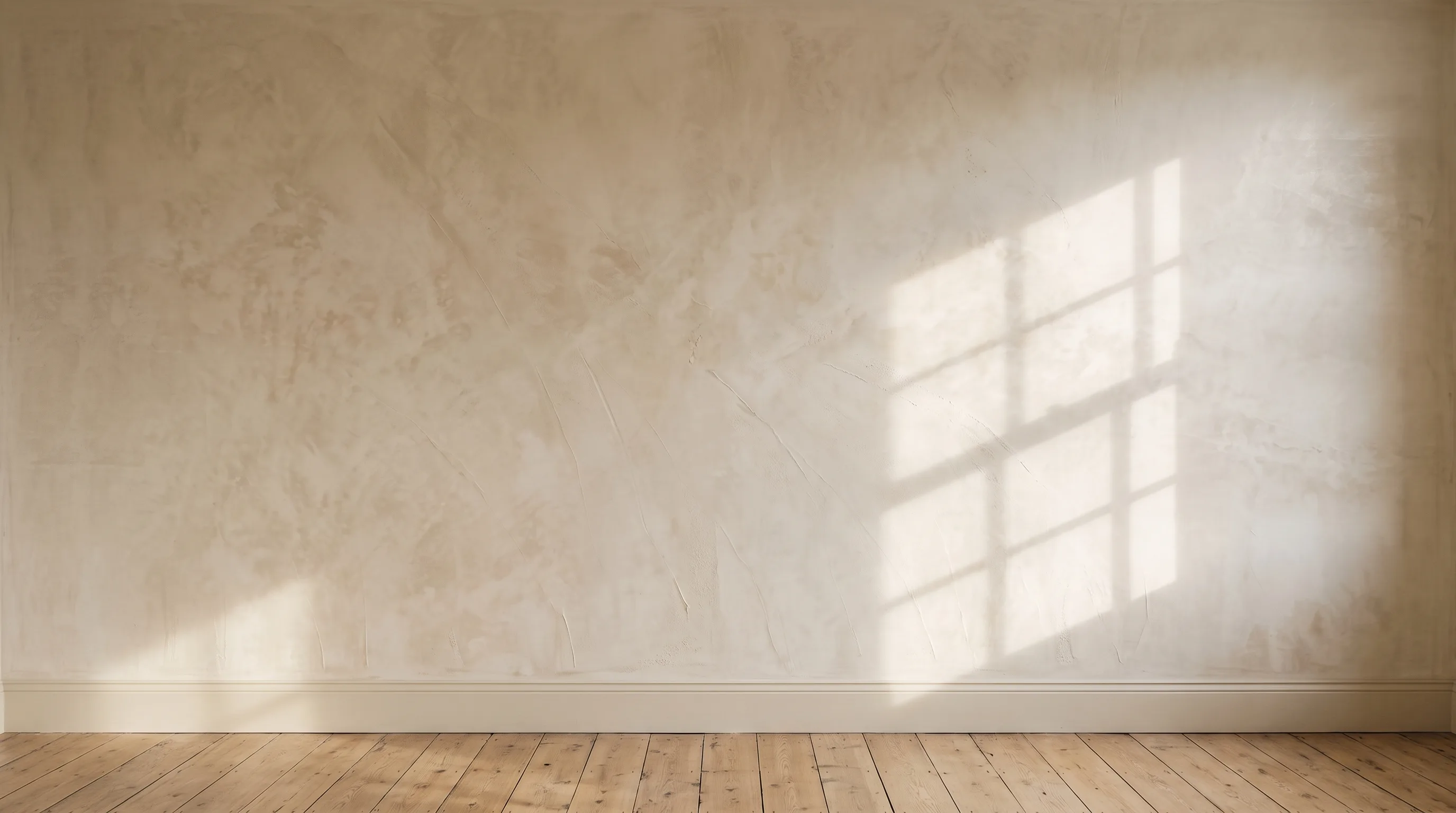
Homes and businesses
Across the county, the work ranges from single feature walls and fireplaces to bathrooms, whole interiors and commercial spaces such as restaurants, inns and shops. Larger or more specialist projects further afield are considered case by case.
Common questions
Do you cover my village?
Chesterfield and north Derbyshire are the core of the area, out to Matlock, Bakewell and the Hope Valley. If you are further out, get in touch: larger or more specialist projects are considered case by case.
My house is listed. Can I have polished plaster?
Possibly, but check first. Internal works that affect a listed building's character can need listed building consent, from the district council or, inside the Peak District, the National Park Authority. A lime-based finish is often the more sympathetic choice.
Does decorative plaster need planning permission?
Redecorating inside a house that is not listed does not normally need planning permission. Listed buildings are different, so check with the council or the National Park Authority first.
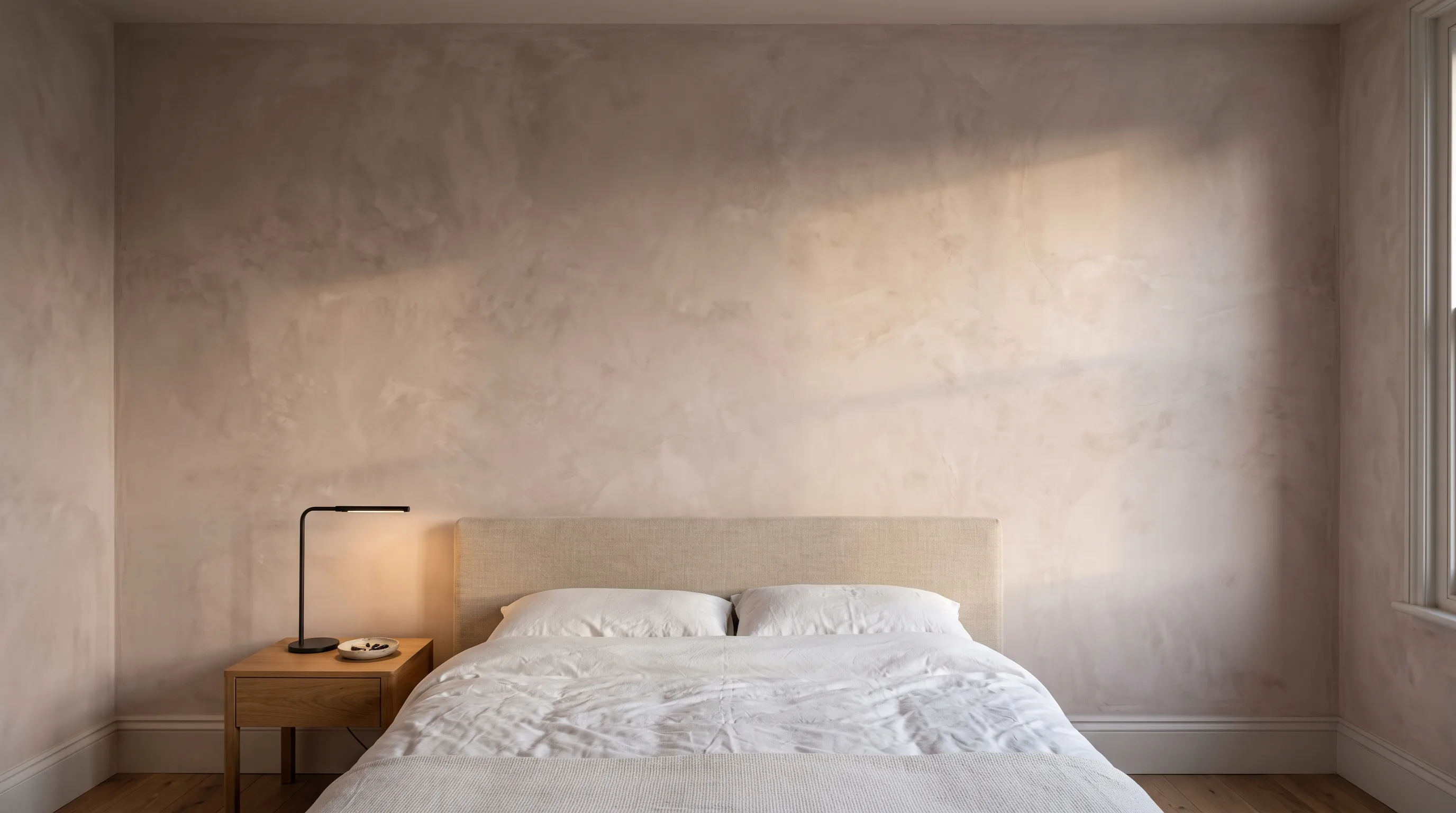
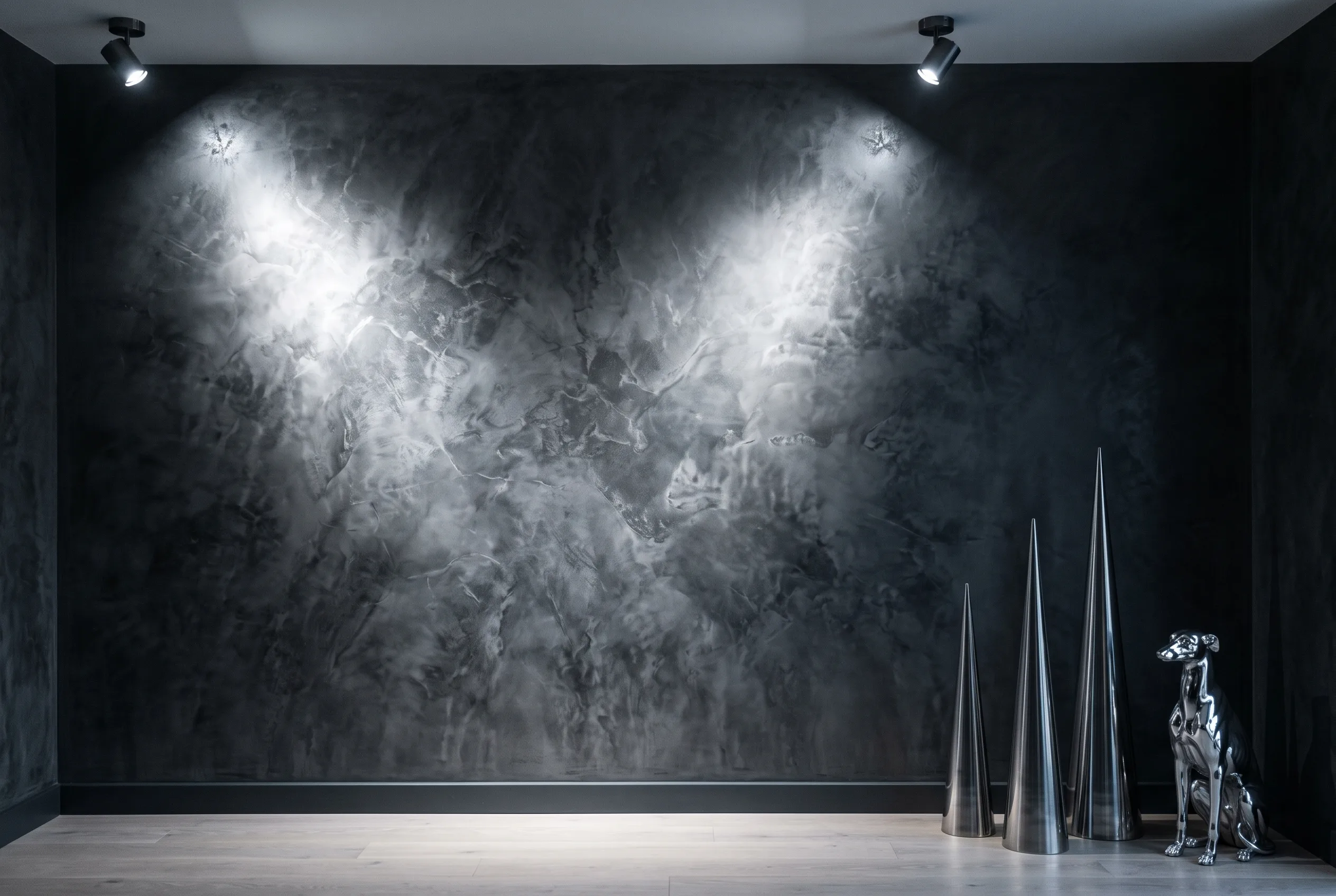

Start with a conversation about your space
Tell us about the room, the surface and the look you are after. Rough measurements are enough to begin, and we will talk you through suitable finishes and the next steps.